Have you ever wondered why doctors talk so carefully about the connection between diabetes and pancreatic cancer? Many people think both conditions are separate, but research shows they are closely linked. In fact, understanding this link between diabetes and pancreatic cancer may help in early detection and save lives. At Hills Gastro & Onco Care, our expert team led by Dr. MSS Keerthi, the best cancer specialist in Hyderabad, is dedicated to providing clarity and advanced care for these complex conditions.
In this blog, you will learn:
- How diabetes affects your pancreatic cancer risk
- Why new-onset diabetes can sometimes be an early warning sign
- When diabetics should get checked for possible pancreatic problems
- How managing diabetes properly may reduce future cancer risk
How Diabetes Increases Pancreatic Cancer Risk?
People with diabetes—especially type 2 diabetes—have a higher chance of developing pancreatic cancer. This is known as the type 2 diabetes pancreatic cancer risk.
Why does this happen?
- Long-term high blood sugar can damage pancreatic cells.
- Insulin resistance forces the pancreas to work harder.
- Chronic inflammation in the body increases cancer risk.
Because of these factors, doctors consider diabetes a risk factor for pancreatic cancer. This does not mean every diabetic will get cancer, but the risk is clearly higher.
Does Pancreatic Cancer Cause Diabetes?
Here comes the tricky part. People often ask, Does diabetes cause pancreatic cancer, or does pancreatic cancer cause diabetes?
Both can be true.
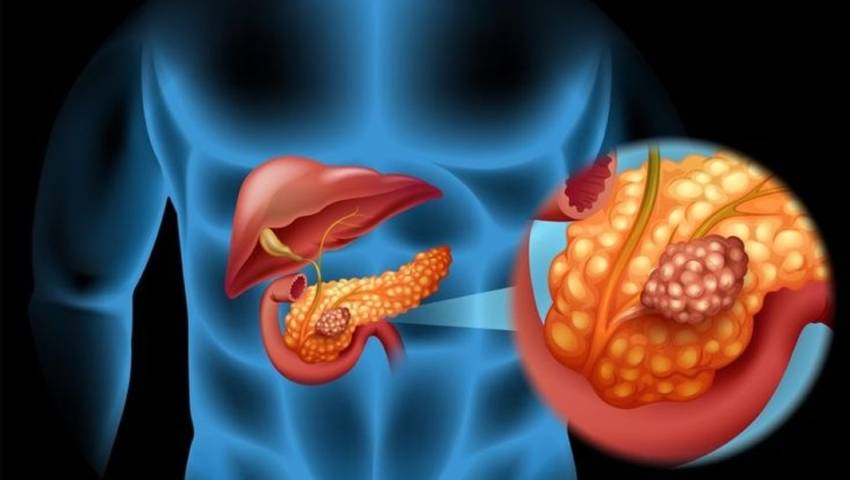
Sometimes, a tumour in the pancreas affects insulin production and leads to a sudden rise in blood sugar. This condition is called new-onset diabetes pancreatic cancer, and it may appear 6–36 months before cancer is diagnosed.
So, if someone who never had sugar issues suddenly develops diabetes after age 50, it should not be ignored.
7 Early signs 0f diabetes:
Pancreatic cancer is called a “silent cancer” because symptoms appear late. But diabetics should watch for certain pancreatic cancer early signs, especially when diabetes becomes harder to control. Sudden, unexplained changes in blood sugar levels can be an early sign diabetes patients should not ignore.
- Important warning signs:
- Unexplained weight loss
- Jaundice (yellowing of eyes or skin)
- Sudden loss of appetite
- Abdominal or back pain
- New digestive issues
- Sudden change in diabetes medicine requirement
These may indicate pancreatic cancer symptoms in diabetics and need medical attention.
Why Long-Term Diabetes Patients Must Be More Careful?
Long-standing diabetes—especially more than 10 years—can slowly increase pancreatic cancer risk and diabetes-related complications.
Long-term sugar imbalance causes:
- Chronic inflammation
- Fatty changes in the pancreas
- Reduced the ability of pancreatic cells to recover
This makes regular monitoring extremely important.
Common Risk Factors In Diabetes and Pancreatic Cancer:
Diabetes and pancreatic cancer share several risk factors:
- Obesity
- Smoking
- Chronic pancreatitis
- Family history
- High-fat diet
- Older age
- Sedentary lifestyle
These shared risks explain why the link between diabetes and pancreatic cancer is stronger in some groups.
When Diabetics Should Get Checked for Pancreatic Issues?
Diabetics should consider pancreatic cancer screening for diabetics if:
- Diabetes suddenly worsens
- Blood sugar levels change without reason.
- Weight drops without trying.
- New stomach or back pain starts.
- Jaundice appears
- There is a family history of pancreatic cancer.
Early imaging, like ultrasound, CT scan, or MRI, can help detect issues early.
Can Managing Diabetes Lower Pancreatic Cancer Risk?
Yes. Good sugar control reduces inflammation and protects the pancreas.
Simple steps that help:
- Maintain a healthy weight
- Eat a balanced diet
- Avoid smoking and alcohol.
- Regular exercise
- Take diabetes medicines on time.
- Get routine check-ups
These healthy habits may reduce pancreatic cancer risk and diabetes-related complications.
Pancreatic Cancer Treatment in Hyderabad:
If pancreatic cancer is suspected or diagnosed, treatment must be handled by an experienced specialist because the pancreas is a delicate organ surrounded by major blood vessels. Hyderabad offers advanced care through minimally invasive, laparoscopic, and robotic surgeries, which help in faster recovery and better precision.
A Pancreatic Cancer Surgeon in Hyderabad or an HPB Cancer Specialist in Hyderabad plays a crucial role in accurate diagnosis, staging, and personalised treatment planning
Patients choose Dr. MSS Keerthi for her skill, compassion, and commitment to providing the best pancreatic cancer treatment in Hyderabad.
Conclusion:
The relationship between diabetes and pancreatic cancer is complex but very important. Diabetes does not always mean cancer, but it can increase risk or sometimes act as an early warning sign.
Understanding this connection helps you act early, get the right tests, and protect your health. If you or a family member has long-term diabetes, sudden weight loss, or new-onset diabetes after age 50, it is wise to consult a specialist for further evaluation. Early awareness, timely screening, and expert guidance can truly save lives.
Book an appointment with Dr. MSS Keerthi at Hills Gastro & Onco Care by calling 094908 08080 to schedule your consultation today.
FAQ's About Link Between Diabetes and Pancreatic Cancer Risk?
Yes, having Type 2 diabetes for over five years can double your risk due to chronic inflammation. Regular check-ups at a cancer hospital best in India are recommended to monitor your pancreatic health.
Yes, new-onset diabetes in adults over 50 can be an early warning sign. If you experience sudden blood sugar spikes and weight loss, consult a specialist immediately for an early detection of cancer test.
While there is no single “cause” for everyone, cigarette smoking is considered the leading preventable cause of pancreatic cancer. Smokers are twice as likely to develop the disease compared to non-smokers, and about 20% to 25% of all pancreatic cancer cases are linked to tobacco use.