What if surgery for esophagus cancer could be done with tiny cuts instead of large ones? What if doctors could reach deep inside the chest with advanced tools that reduce pain and help patients recover faster? This is now possible with Robotic and Laparoscopic Surgery, especially through laparoscopic and robotic-assisted esophagectomy, two modern approaches changing the way esophageal cancer is treated.
Understanding Esophageal Cancer and Surgical Challenges:
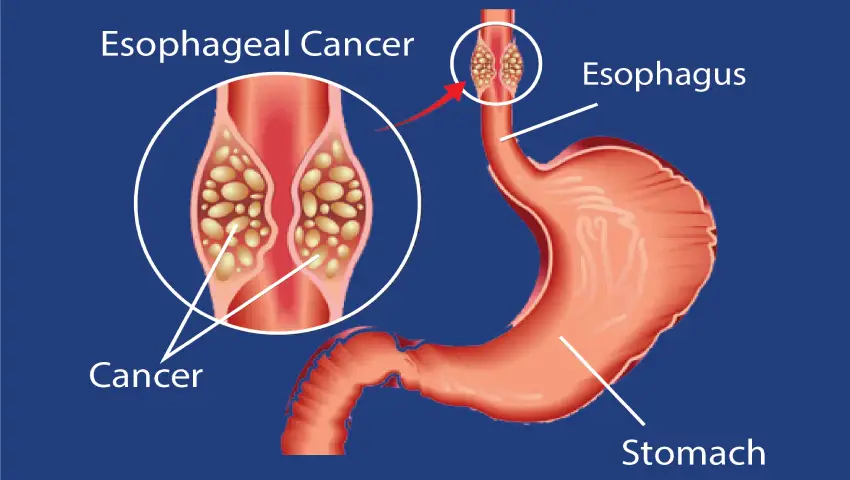
Esophageal cancer affects the food pipe that connects the throat to the stomach. Treating it is often complex because the esophagus lies deep inside the chest, close to important organs like the heart and lungs. Traditional open surgery involves large cuts, longer recovery, and more pain. This made doctors search for safer and less invasive methods, which led to the development of minimally invasive esophagectomy techniques.
Laparoscopic Esophagectomy - A Minimally Invasive Leap:
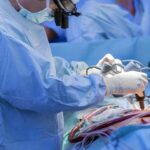
A laparoscopic esophagectomy uses small incisions, a camera, and special instruments to remove the affected part of the esophagus. Patients usually experience less blood loss, fewer infections, and shorter hospital stays compared to open surgery. It is one of the most common esophageal cancer surgery options today, especially for patients looking for a balance between effectiveness and recovery.
Robotic-Assisted Esophagectomy (RAMIE) - The Next Big Step:
With the advancement of technology, esophagus cancer robotic surgery has taken cancer treatment a step further. In this procedure, the surgeon controls robotic arms that move with great precision. The 3D high-definition view and flexible instruments allow for more accuracy than traditional laparoscopy. A robotic esophagectomy makes it possible to remove cancer tissue carefully while protecting nearby structures. Patients benefit from less pain, faster healing, and better long-term outcomes.
How Robotic Surgery Compares with Laparoscopic and Open Surgery:
Compared to open surgery, both laparoscopic and robotic techniques mean smaller scars, faster recovery, and reduced complications. Between the two, robotic-assisted methods often provide better visualization and control. Studies suggest that robotic-assisted esophagectomy advantages include improved lymph node clearance, fewer leaks, and lower chances of infection. For many patients, this makes robotic surgery one of the most promising esophageal cancer minimally invasive surgery options.
Real-World Example - Functional Minimally Invasive Robotic Resection:
Recent reports from global cancer centres have shown that functional minimally invasive robotic resections for esophageal cancer are both safe and effective. Patients treated with robotic methods recovered faster, returned to normal activities sooner, and reported better quality of life. These real-world results highlight the benefits of robotic esophageal surgery in practical settings, not just in theory.
Is Robotic Surgery the Future for Esophageal Cancer?
While both laparoscopic and robotic surgery play important roles, robotic methods are increasingly being adopted across the world. They offer precision and safety, especially in complex cases. However, factors like cost, availability, and the surgeon’s experience still matter. For those seeking advanced esophageal cancer treatment in Hyderabad, consulting a specialist in robotic and laparoscopic esophagectomy ensures the best possible outcomes.
Conclusion:
The treatment of esophageal cancer has moved far ahead from painful open surgeries. With laparoscopic esophagectomy and esophagus cancer robotic surgery, patients now have safer, faster, and more effective options. Robotic-assisted surgery, in particular, is shaping the future by combining precision with quicker recovery. If you or your loved one is exploring esophageal cancer surgery options, consulting an experienced surgical oncologist can help decide the best path forward.