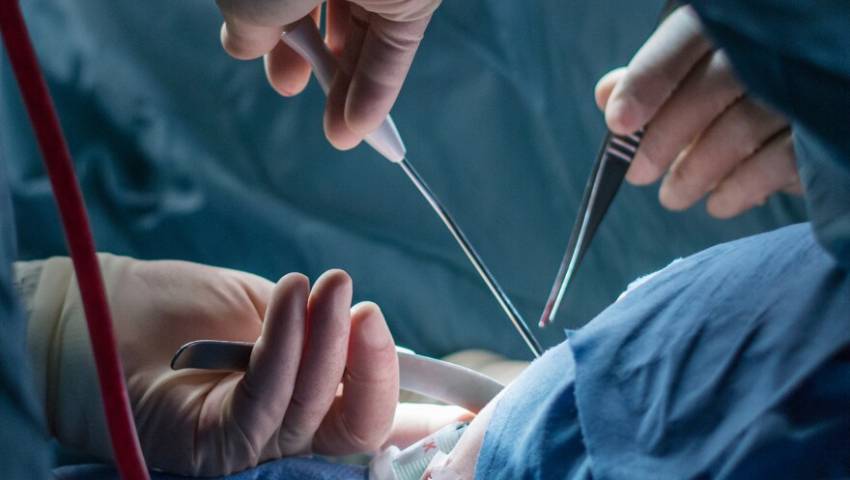
Have you ever wondered what really happens during breast cancer surgery? Many women feel anxious when they hear that surgery is part of their breast cancer treatment. Understanding how it works can help you feel more confident and prepared for surgery for breast cancer treatment, including modern options like BCS surgery. Whether you are considering a lumpectomy or mastectomy, knowing the process, recovery, and benefits can make a big difference in your journey to healing.
In This Blog, You Will Learn:
- Why surgery is an important part of breast cancer treatment?
- The main types of breast cancer surgeries — lumpectomy and mastectomy.
- What to expect before, during, and after breast cancer surgery?
- Why Dr. M.S.S. Keerthi is recognised as the best breast cancer specialist in Hyderabad?
Why Surgery is Important in Breast Cancer Treatment?
Surgery is often the first step in treating breast cancer. It aims to remove the tumour through a carefully planned breast operation and prevent the spread of cancer to other parts of the body. Depending on the stage of breast cancer treatment, surgery may involve removing only the tumour or a larger affected area. In most cases, surgery is combined with treatments like chemotherapy, radiation, or hormone therapy for complete care, ensuring effective tumors surgery with long-term benefits.
When done by an experienced surgeon, breast cancer surgery not only removes the disease but also helps preserve your natural appearance and function. Patients undergoing breast cancer treatment in Hyderabad often experience better results when the surgery is performed early, matched to the correct stage, and planned carefully for both cure and quality of life.
Main Types of Breast Cancer Surgery:
There are several types of breast cancer surgery, and the choice depends on the tumour’s size, stage, and spread. The approach to surgical management of cancer is carefully planned so that the cancer is removed effectively, whether it involves removing only the tumour or, in some cases, a removed breast. Each procedure has a specific goal — to eliminate the disease while maintaining the best possible breast appearance and function.
1. Lumpectomy, BCS surgery (Breast-Conserving Surgery):
A lumpectomy operation removes only the cancerous tumour and a small margin of surrounding healthy tissue. The main aim is to preserve as much of the natural breast as possible, so the removed breast tissue is minimal compared to other surgical options.
After the surgery, radiation therapy is usually recommended to destroy any remaining cancer cells and reduce the risk of recurrence. This option is ideal for women with small or early-stage tumours and offers a quicker recovery while maintaining breast shape.
2. Mastectomy:
A mastectomy involves removing the entire breast and may be advised for larger tumours or when cancer is present in multiple areas of the breast. The procedure of mastectomy is carefully planned based on the stage and spread of cancer, and in some cases it may include mastectomy and axillary clearance to remove lymph nodes and reduce the risk of cancer spread.
With advancements in surgical techniques, mastectomy surgery in Hyderabad today focuses on both effective cancer control and cosmetic outcomes. Patients may also come across medical discussions comparing different surgical terms, including mastectomy and mastoidectomy, though they are entirely different procedures performed for different conditions.
Here are the main types of mastectomy procedures:
- Simple/Total Mastectomy: Removes all breast tissue, including the nipple and areola.
- Modified Radical Mastectomy: Removes the entire breast along with most lymph nodes under the arm (axillary nodes).
- Skin-Sparing or Nipple-Sparing Mastectomy: Removes only the breast tissue while preserving the skin, nipple, and areola. This allows for better cosmetic results, especially when breast reconstruction is planned.
3. Lymph Node Surgery:
Lymph node surgery helps determine whether the cancer has spread beyond the breast. There are two main types of procedures:
- Sentinel Lymph Node Biopsy: A minimally invasive procedure where only the first one or a few lymph nodes — the ones most likely to receive cancer spread — are removed and tested. If these nodes are free of cancer, further lymph node removal can be avoided.
- Axillary Lymph Node Dissection: A more extensive surgery where several lymph nodes from under the arm are removed. This is usually done if cancer is detected in the sentinel nodes or when required for staging and treatment planning.
What to Expect Before and After Surgery?
Before surgery, your doctor will discuss the plan, explain the procedure, and guide you on tests or diet restrictions. During the operation, you’ll be under general anaesthesia, so you won’t feel pain.
After the surgery, most patients stay in the hospital for one or two days, depending on the type of procedure. Breast cancer surgery recovery can take a few weeks. Patients are advised to avoid heavy lifting and follow post-operative exercises recommended by their surgeon.
Emotional recovery is also important. Many women feel anxious or self-conscious after surgery, but support from family, friends, and your healthcare team can make a big difference.
Possible Risks and Side Effects:
Like any breast cancer operation, surgery may have side effects such as swelling, pain, scarring, or numbness. Some women may experience fluid build-up (seroma) or limited arm movement. These effects usually improve over time with proper care and physiotherapy.
Choosing a skilled surgeon reduces complications and helps achieve better results in both health and appearance.
Why Choose Dr. M.S.S. Keerthi – Best Breast Cancer Specialist in Hyderabad?
Here’s why Dr. M.S.S. Keerthi is recognised as one of the best breast cancer specialist in Hyderabad, trusted by thousands of patients for her expertise, care, and results:
- Expertise in All Types of Breast Cancer Surgeries: Dr. MSS Keerthi is skilled in performing both lumpectomy and mastectomy procedures with precision and safety. Her deep understanding of surgical oncology ensures each patient receives the most suitable and effective treatment.
- Advanced Robotic and Laparoscopic Techniques: She uses the latest robotic and laparoscopic surgery methods for faster recovery, minimal scarring, and better cosmetic results. This modern approach provides patients with safer, less painful, and highly accurate cancer surgeries.
- 17+ Years of Experience with Compassionate Care: With over 17 years of experience in cancer surgery, Dr. MSS Keerthi combines medical excellence with empathy. She takes time to explain every step, helping patients feel confident and supported throughout their treatment journey.
- Comprehensive Cancer Care Under One Roof: At Hills Gastro & Onco Care, Kompally, Dr. MSS Keerthi provides complete care — from early diagnosis to surgery and recovery. Patients across Telangana trust her for her commitment to delivering the best breast cancer treatment in Hyderabad with personalised attention and successful outcomes.
Conclusion:
Understanding what breast cancer surgery involves helps patients feel more empowered and less afraid. Whether it’s a breast-conserving surgery or a mastectomy, early detection and expert treatment can save lives.
If you or your loved one needs guidance on breast cancer treatment in Hyderabad, consult Dr. M.S.S. Keerthi, the best cancer specialist in Hyderabad, for trusted advice, precise surgery, and compassionate care.
Frequently Asked Questions (FAQ's):
Breast tumors are treated based on their type, size, and stage. Treatment may include surgery (lumpectomy or mastectomy), along with chemotherapy, radiation therapy, hormone therapy, or targeted therapy for complete care.
A double mastectomy means removing both breasts. It is usually done when cancer affects both breasts or to reduce future cancer risk in high-risk patients.
A lumpectomy removes only the tumor and a small margin of healthy tissue, preserving most of the breast. A mastectomy removes the entire breast and is advised for larger or widespread cancers. The choice depends on cancer stage and patient preference.